A Dream of Bees
Click here to go back to the Hub Page
They reached the house in the late afternoon, after the train and the long drive from the station, and the air inside the hall still had the cool, unused smell of a place shut up for weeks. Mrs. Herbert set down her bag and walked at once to the window at the back of the hall, which looked across the lawn toward the garden wall. The light was already leaving the Border hills, and the gravel path to the vinery lay in soft shadow.
“I want to see the mignonette before it’s quite dark,” she said.
Mr. Herbert came up behind her with his coat still over his arm. “You want to see a flower bed before you’ve taken your hat off.”
“The mignonette may have suffered while we were away. It was doing so well in June.”
“It will still be doing well in the morning. Supper is waiting, and the path down there is forty yards farther than either of us wants to walk tonight.”
She looked at the light for a moment longer. The garden had already lost its edges; the long walk was a gray line between ragged borders. “You are probably right. But I should like to have a look before breakfast, if the weather holds.”
“We’ll go together, then, first thing. You can tell me what has survived, and I can nod in the right places.”
“You always nod too soon. Wait until I have told you what the plant is.”
He smiled and steered her toward the stairs. “I know one plant. Mignonette. It is near the vinery.”
“Now you are simply repeating what I said.”
They had supper, and she unpacked only what she needed, and by ten o’clock the house was quiet.
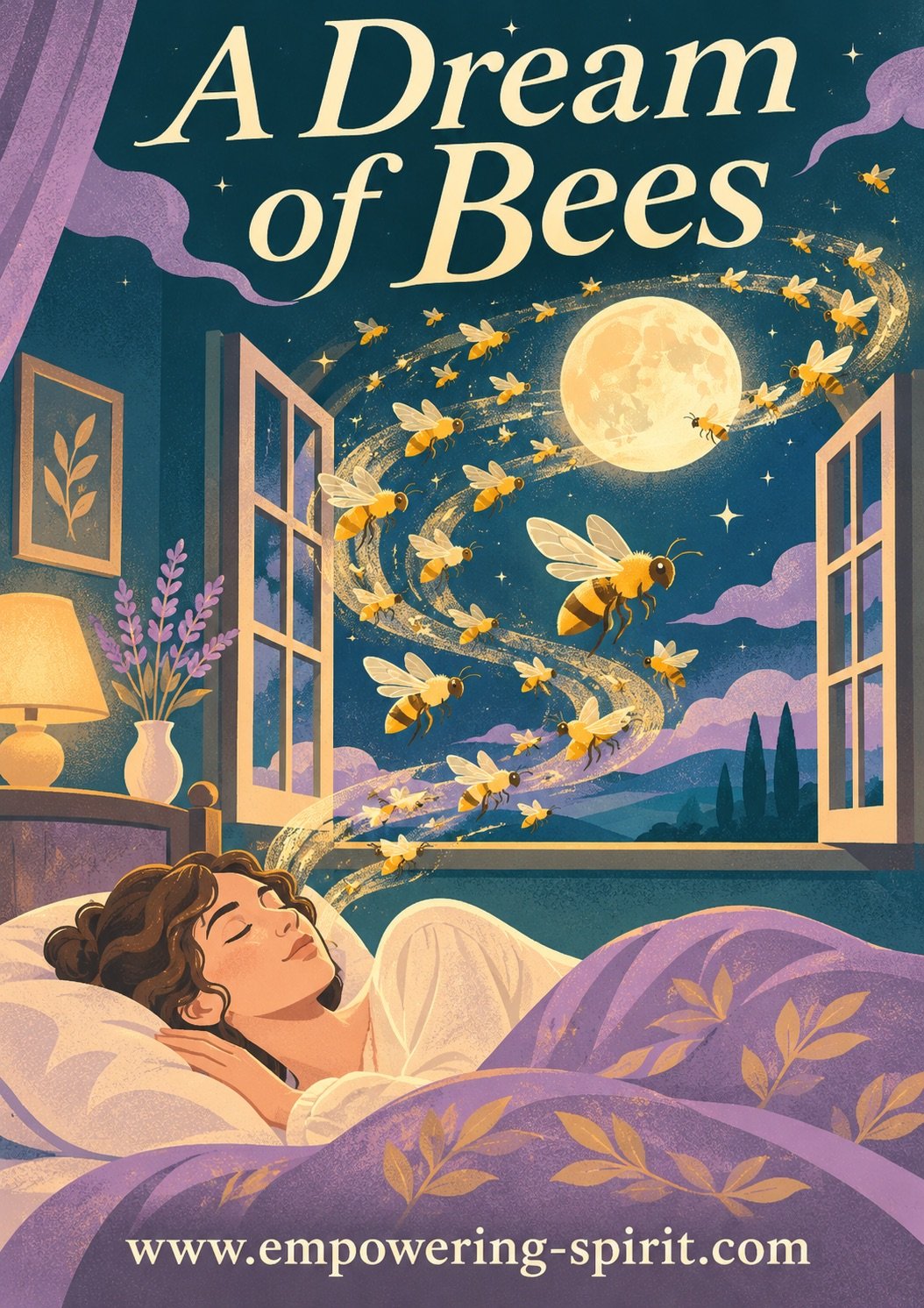
That night Mrs. Herbert dreamed she was walking down the long path with her husband. The garden was exactly as she knew it, but the light had the even grayness of early morning without any sun. They passed the rose border and the asparagus bed and came at last to the place where the path widened before the vinery. She could see the glass of the vinery catching the pale sky, and beyond it the mignonette bed.
The mignonette was black. At first she thought the plants had been scorched or blighted. Then she saw that the blackness was bees. The flowers were black with them, and more hung in the air above the bed, crossing one another in constant movement. The sound of them was loud, but she felt no fear in the dream. She only knew they must not go farther.
Wilburd came up the path from the vinery. He stopped a few feet away. “You’ll not want to go any nearer,” he said. “Not this morning.”
She woke before she could ask him why. The room was dark, and Mr. Herbert was breathing evenly beside her. She lay for a minute with the impression of the crowded path and the hum still in her ears. Then she turned over. It was only a dream of the garden, the sort that came after a day of travel and too much conversation. She did not think of it again while she dressed.
After breakfast the morning was fine, and they went out together as planned. The light was clear and ordinary, and the lawn was wet enough to darken the soles of their shoes. As they turned onto the long path, Mrs. Herbert noticed several small changes from their absence. The roses by the sundial had gone over, and a clematis had thrown a long shoot across the top of the yew hedge. She pointed it out.

“That needs tying back before it pulls the whole hedge out of shape.”
Mr. Herbert studied the shoot with the serious expression he used when he was not certain what he was looking at. “The pink one.”
“It is not pink. It is a white clematis with a pinkish center, but it should not be reaching over the yew like that.”
“Then I shall mention it to Wilburd.”
“You will do nothing of the sort. You will forget, and I will mention it.”
He laughed. “I might remember. I remember the mignonette, because you have told me twenty times since yesterday.”
“I have told you twice.”
“That is enough for any plant.”
The path curved near the bottom, and the vinery came into view ahead. For a moment everything looked as it always did: the warm brick of the vinery, the low box edging, the mignonette beginning to show its small pale flowers. Then Mrs. Herbert saw movement. Above the bed, close over the flowers, the air was crowded with insects. They flew in quick, sharp lines, crossing and recrossing, not drifting as bees did. The flowers themselves appeared to be seething.
She stopped. The sight reached her all at once, and with it the dream returned, exact and complete.
“I dreamed this,” she said. “Last night. I dreamed we walked down this path together, and the mignonette was covered with insects, and Wilburd came to warn us away. He said we must not go any nearer.”
Mr. Herbert turned to her. “You dreamed it?”
“The same walk. The same bed. The same warning. But in the dream they were bees.”
He looked back at the bed. At first he saw only the mass of movement. Then one of the insects crossed the path in front of them, close enough for them to see the narrow yellow bands and the long body, the way it hung in the air for a second as if testing them.
“They are not bees,” he said. “They are wasps.”
Mrs. Herbert looked more carefully. The creatures were thinner than bees, quicker, and their attention seemed directed outward rather than at the flowers. A few had begun to drift toward the path.
Before either of them could speak, Wilburd came down from the vinery along the same edge of the path. He was carrying a short-handled fork and moving with more purpose than usual. He saw them, and his face changed.
“Don’t come any nearer,” he called. “There’s a wasps’ nest been torn open behind the mignonette, and the disturbed wasps will fly at anything that moves.”
He reached them and turned them gently toward the house. “We’ll go around by the kitchen garden. The path can be closed until they’ve settled.”
Mrs. Herbert let him lead her. Her husband walked at her other side, shaking his head.
“You didn’t mention the dream this morning,” he said.
“I had forgotten it entirely,” she said. “It went out of my head while I was dressing. I only remembered when I saw the insects above the flowers.”
He did not answer. They passed the asparagus bed and the sundial and came through the gate by the kitchen garden. Wilburd shut the gate behind them and slid the iron bar into place.
At the turn of the house path, Mrs. Herbert looked back once. The wasps were still above the mignonette, a restless dark band above the small pale flowers. “It appears my dreams recognize danger more accurately than they recognize insects,” she said. Then they went inside.
This story is based on a true account included in Andrew Lang’s The Book of Dreams and Ghosts. You can read the original account in the free Project Gutenberg edition. And if you are interested in fresh and modern content about dreams that came true, you can find them in my book “Dreams That Wake You Up”, a collection of real dreams and real outcomes, directly from my clients, printed with their consent.
For more articles and stories from us, click here to go back to the Hub Page